
Selling a Property in Turkey: Price, Paperwork and Steps
Short Answer: Before you market a property in Turkey, review its realistic market position, make sure the property details are accurate, and identify ownership or debt issues early. Common documents can include the Title Deed, identification and tax details, while sale costs and requirements vary by transaction.
Set expectations carefully: no single asking-price formula suits every property, and online asking prices alone do not establish what a buyer will pay. Prepare to discuss the property's features and condition, then clarify paperwork, liabilities and transfer arrangements with appropriate professionals.

How Should You Think About the Asking Price?
Begin by considering the property's realistic market position rather than choosing a figure only because another listing appears similar. Location, size, condition, view, building features and legal status can all distinguish one home from another, so accurate details matter when comparing options.
Asking prices and completed sale prices are not necessarily the same. A high figure may affect buyer interest, while setting a low one without careful thought may not serve your interests. Seek a considered review of the property and discuss pricing in light of its characteristics and the intended sale.
Our free property valuation tool is one place to start a conversation about your home's position. You can also browse properties for sale in Turkey to see how properties are presented, without treating advertised figures as proof of the price a particular home can achieve.
For example, an owner selling an apartment might compare it with apartments listed across Turkey, while a villa owner could review villa listings. These searches can inform presentation, but they do not replace a property-specific assessment.
Which Property Details Should You Prepare?
Prepare a clear, accurate account of what you are selling: property type, size, condition, layout, features and any relevant building or shared-ownership information. State what is included in the sale and make sure the description and photographs represent the property as it is.
Buyers may weigh practical features differently. A home with a particular view, facilities or rental potential attracts a different audience from a commercial unit or a plot of land. Keep information factual and avoid promises about income, condition or legal status that you cannot support.
If the property is rented or has ongoing site dues, utilities or other obligations, organise the information you have about them. Existing debts may need to be settled before completion. Clear property records help you answer questions and make discussions about the sale more precise.
For examples of how homes are described, browse houses for sale in Turkey, land listings or commercial property listings. Owners of other property types can also explore bungalows, penthouses and hotels.
What Paperwork and Ownership Issues Should You Check?
Check the Title Deed and identify possible restrictions or inconsistencies before accepting an offer. Mortgages, annotations, debts, inheritance questions and shared ownership can create delays if they emerge late, so raise any uncertainty with a qualified professional early.
Common items for a sale may include the Title Deed, identification, tax details, compulsory earthquake insurance where applicable, municipal property information and a valid Power of Attorney if you will not attend the transfer. These are not a universal checklist: requirements depend on the property, ownership structure, seller and transaction.
Compulsory earthquake insurance is a relevant document to check where applicable; the DASK law describes the compulsory insurance framework. Ask the appropriate professional to confirm what applies to your property rather than assuming the same requirements cover every case.
Owners living abroad can sell Turkish property from overseas. A suitable Power of Attorney may reduce the need to travel repeatedly, but its form and scope should be checked for the particular transaction. Keep communication and document copies organised so you can respond to questions promptly.

What Sale Costs and Tax Questions Should You Consider?
Before agreeing a deal, make a list of possible deductions and liabilities. A property sale may involve a Title Deed transfer fee, outstanding mortgage or property debts, and legal, agency, translation, valuation or other transaction costs. The precise costs depend on the individual sale.
One resale guide describes the statutory transfer fee as 2% for the seller and 2% for the buyer, calculated on the declared sale value subject to legal minimums. Another guide says buyers usually pay the full 4%, but arrangements may differ by negotiated terms; do not assume who will pay in your deal.
| Transfer-fee description | Seller | Buyer | Basis |
|---|---|---|---|
| Statutory allocation in one guide | 2% | 2% | Declared sale value, subject to legal minimums |
| Usual payment arrangement described in another guide | May differ by agreement | Buyer usually pays 4% | Clarify the arrangement for the deal |
Capital-gains tax can apply to qualifying privately owned property sold within five years of ownership. A guide also says qualifying individual owners' gains after five years are outside Turkish capital-gains tax. Because the guide's listed tax bands are not confirmed here as current, verify your position with a tax professional rather than relying on them.
Outstanding mortgages, property taxes, site dues or other debts may need to be settled before completion. The parties should clarify payment responsibilities and potential professional costs in advance. The amounts of individual land-registry fees, revolving-fund charges and other sale costs are not set out here.

How Can You Prepare for the Transfer?
There is no single sequence or timetable that fits every sale, but preparation can make discussions and transaction arrangements more manageable. Bring together your property information, ownership records and questions about costs, then ask the relevant professionals to confirm the requirements and next actions for your situation.
When a land-registry transaction is started, the customer can use the E-Tahsilat Seri Numarası sent to their phone to check the debt and pay online. TKGM explains that after payment its system notifies the registry office and the customer can save the receipt digitally.
The TKGM E-Tahsilat service supports online payment of Title Deed fees and revolving-fund service charges. Its listed payment routes include credit or debit card, participating-bank internet banking, ATM and foreign bank cards. This describes a payment facility, not the amount due or who must pay it.
Keep a record of what has been paid and retain receipts. Clarify the declared sale value, payment responsibilities and any conditions with the relevant parties and advisers. This article does not set out a complete sale timeline from agreement through signing and handover, so confirm the process for your particular transaction.

What Should You Know About the Energy Identity Certificate?
An Energy Identity Certificate may be requested by a buyer in a sale, but a sale can proceed if the buyer declares acceptance of proceeding without the building's certificate, according to a notice from the Kars provincial authority. The notice describes this position from 1/1/2020.
Check whether the certificate is available and discuss the issue with the buyer before transfer arrangements are settled. If it is not available, do not assume that the sale is automatically prohibited: the cited notice says the buyer may declare acceptance of proceeding without it.
Read the provincial authority notice on the Energy Identity Certificate and seek transaction-specific advice if you are uncertain how it applies. The notice is dated 30 December 2019 and refers to implementation from 1/1/2020.
How Can You Present the Property to Buyers?
Present the home honestly and make it straightforward for a prospective buyer to understand what is offered. Use clear photographs, an accurate description and a responsive approach to enquiries. If you are overseas, arrange access and local communication in advance so viewings and questions can be handled reliably.
Consider which buyer audience may be relevant, but avoid assuming that every feature appeals equally to every buyer. A home in Istanbul, for instance, can be compared with Istanbul property listings; owners elsewhere may review Antalya properties or Bodrum listings for presentation ideas.
Owners in other areas can look at Fethiye property listings, Alanya homes, Izmir property, Bursa listings and Kusadasi properties. They are examples of local listing formats, not evidence of a specific property's value.
Where you plan to market, include the relevant details and present the property consistently. PointTurkey lets owners post a free property listing. If your circumstances involve a particular buyer category, you may also review citizenship-eligible homes to understand how that category is labelled in listings.

What Are the Risks?
The main risks are relying on an unsupported asking price, overlooking an ownership issue, assuming every seller has the same paperwork, or agreeing cost responsibilities without clarifying them. Any one of these can create misunderstanding or delay. Have relevant details checked before making commitments.
Tax claims require particular care. Capital-gains treatment depends on the facts of the ownership and sale, and the bands circulated in an undated guide should not be treated as confirmed current tax advice. Check current rules with a qualified tax adviser before estimating your net proceeds.
Also avoid treating a general document list or online payment explanation as a complete transaction checklist. Requirements, fees and arrangements depend on the case. Confirm the current steps, amounts and responsible parties with the land-registry office and appropriate legal or tax professionals.

Prepare Your Sale With PointTurkey
PointTurkey is a free property marketplace for Turkey, where owners and agents list homes for sale and for rent. You can prepare an accurate listing, compare how properties are presented and Ask Amara, PointTurkey's AI property assistant, to search listings or ask a question.

FAQs: Selling a Property in Turkey
Q: What documents may I need to sell a property in Turkey?
A: Common items include the Title Deed, identification, tax details, compulsory earthquake insurance where applicable, municipal property information and a Power of Attorney if you will not attend. Requirements vary by transaction.
Q: Can I sell my Turkish property from overseas?
A: Yes. A foreign owner can sell from overseas. A suitable Power of Attorney may reduce repeated travel, but confirm its requirements for your particular transaction.
Q: Who pays the Title Deed transfer fee?
A: One guide describes a statutory 2% fee for each party, while another says the buyer usually pays the full 4%. Clarify the arrangement for your deal, as negotiated terms may differ.
Q: Could I owe capital-gains tax when I sell?
A: Capital-gains tax can apply to qualifying privately owned property sold within five years of ownership. Confirm current treatment and your own circumstances with a tax professional.
Q: Can a sale proceed without an Energy Identity Certificate?
A: The cited authority notice says the buyer may declare acceptance of proceeding without the building's certificate, allowing the sale to proceed under that notice.
Q: How do I pay land-registry charges online?
A: TKGM says that once the transaction starts, you can use the E-Tahsilat Seri Numarası sent to your phone to check the debt and make payment through supported digital channels.
NOTE: This article is for information only and is not legal, tax, or investment advice. Figures are as of November 2026.
Homes for sale on PointTurkey
The newest homes listed by owners and agents.
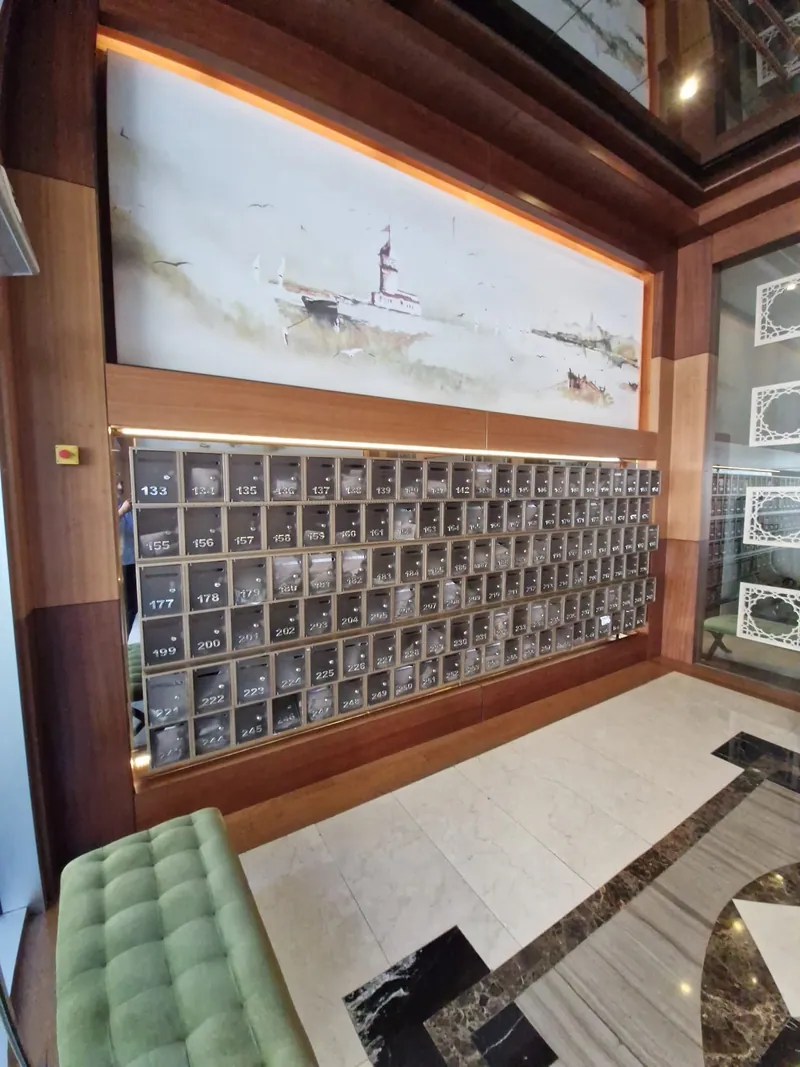

Priced 35% below similar homes in Ayazaga (based on 27 comparable listings)
Three bedroom apartment with pool in Sariyer Istanbul
- 3+1
- 2
- 117 m²

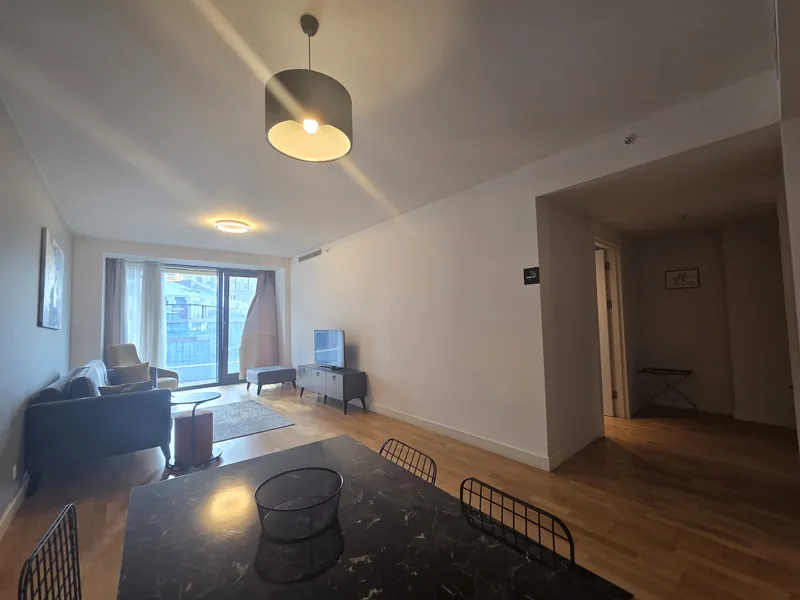
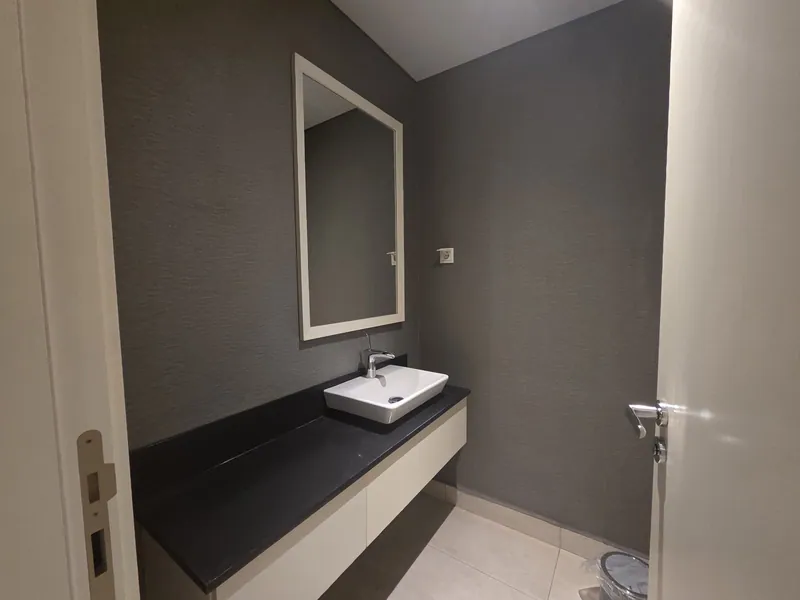
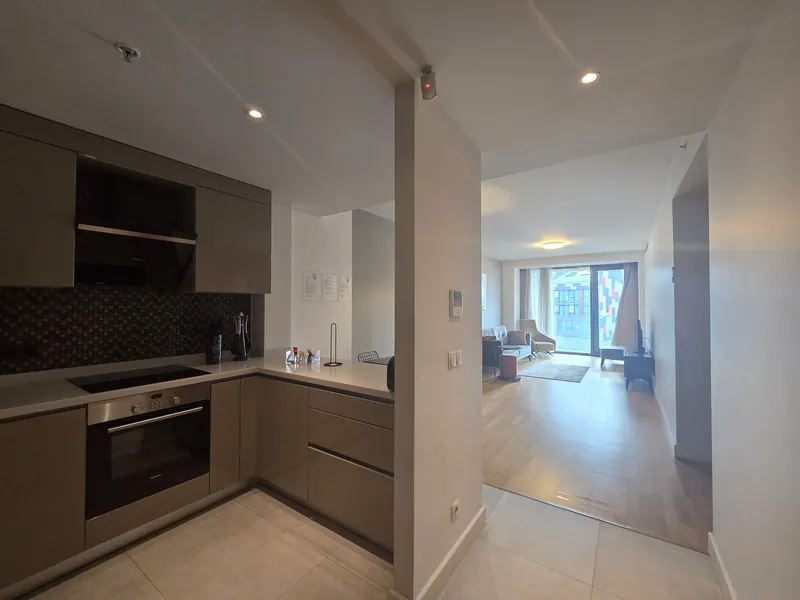
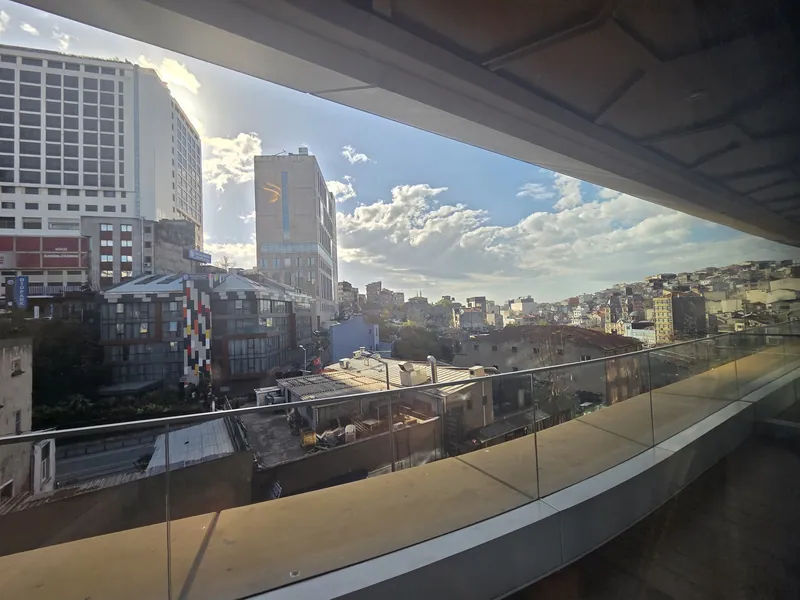
Furnished one bedroom apartment for sale in Sisli Istanbul
- 1+1
- 75 m²
- 3
Related articles
All articles
Apartment Asking Price: A Fair-Price Checklist
You cannot confirm an apartment’s fair asking price from a district average alone: compare it with similar listings, then check the individual home’s title, building quality, condition and…

Antalya Rental Yield: What Listing Data Shows (2026)
Antalya’s November 2026 listing data does not include rents or rental yields, so it cannot establish a yield level or identify the highest-yielding district. It does show asking prices…
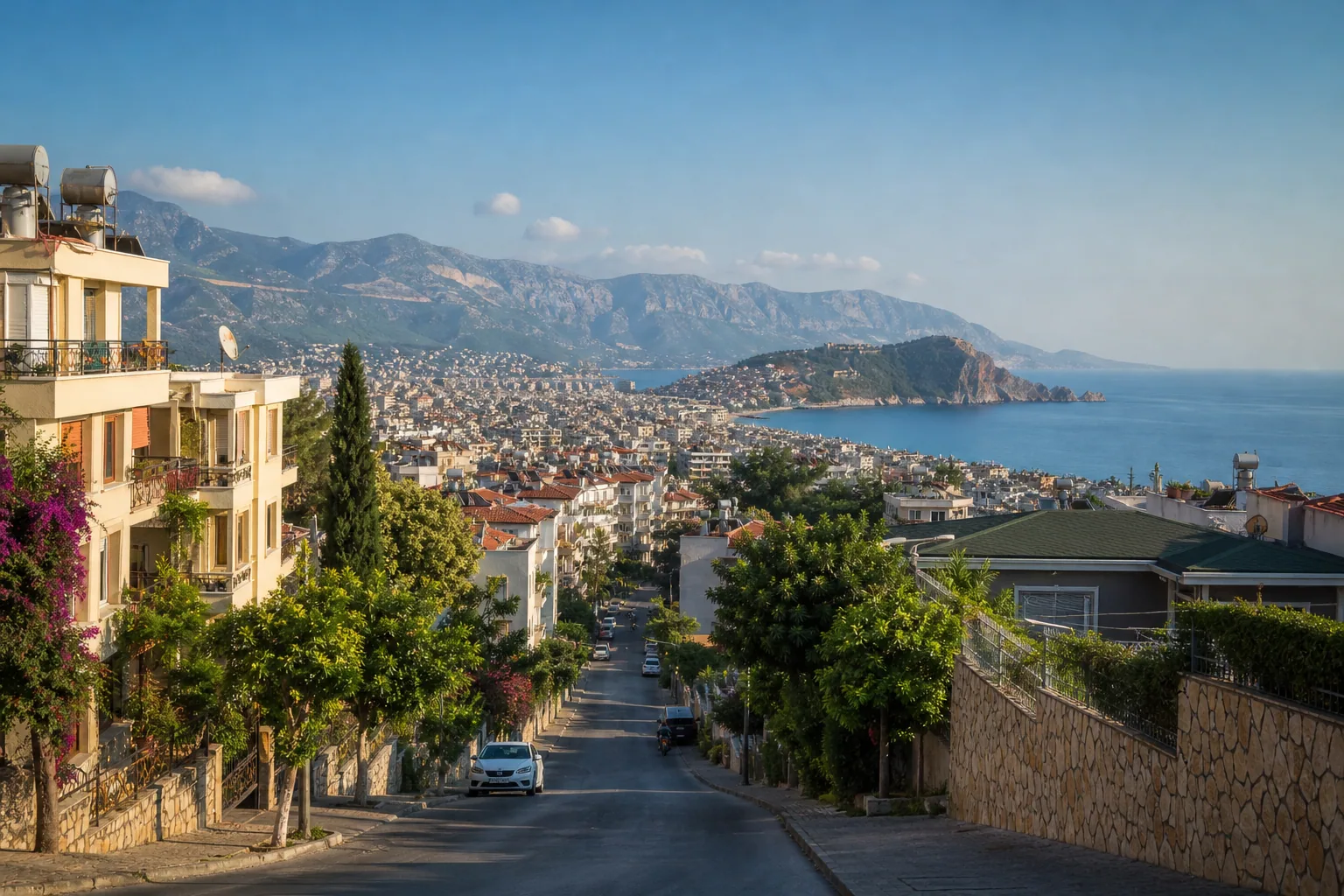
Alanya Healthcare: Hospitals, Clinics and Pharmacies
Alanya has 6 mapped hospitals, 9 clinics and 164 pharmacies within its district boundary, based on OpenStreetMap features recorded on 18 November 2026. These mapped counts are a lower…