
Property Market Value in Turkey: How to Assess Price
Short Answer: Compare a property with competing homes in its local market, considering its exact location, size, condition, floor, view, building quality, age, facilities, legal status and rental potential. Asking prices are not completed-sale evidence: a listing can remain online for a long time without selling. Use the comparison as an initial guide, not a verified valuation.
When comparing listings, remember that this is an asking-price comparison, not proof of market value. There are no current asking-price or completed-sale figures here for Turkish locations, and no formula for adjusting differences between homes. The TCMB rate is not relevant because no property price figures are given.

What Does a Fair Asking Price Mean?
A fair asking price is one that makes sense in relation to the home’s characteristics and the competition around it, rather than one that simply matches the highest price you can find. Buyers can use this comparison to question a price; owners can use it to review their expectations.
Do not treat an online listing as proof of what a serious buyer will pay. Homes may be advertised for a long time without completing, and another owner’s hoped-for price is not evidence of an achievable sale price. For sellers, our guide to selling a property in Turkey covers the wider process.
Start by looking at the homes competing for the same buyer’s attention. You can browse property for sale in Turkey and narrow the search by type, such as apartments, villas or houses. Listings help show what sellers are asking, not what transactions have achieved.
Which Property Features Should You Compare?
Compare the features that distinguish the subject home from other local options: location, size, condition, floor, view, building quality, age, facilities, legal status and rental potential. These factors inform a useful comparison, but the evidence here does not establish fixed weights for them.
A checklist can keep your review structured without pretending that every item has a known numerical adjustment. Record what is the same and what differs between the subject property and other listings, then identify which differences might matter to a buyer.
| Comparison area | Questions to consider |
|---|---|
| Location | How do the street, transport access, nearby beach or marina and surrounding development compare? |
| Home and building | How do size, condition, floor, view, building quality, age and facilities differ? |
| Use and legal position | What is the legal status, and how relevant is rental potential to the intended buyer? |
| Competition | What other local properties could a buyer consider at the asking price? |
Use the checklist to make comparisons transparent, not to manufacture a precise figure. The available information does not specify how to choose comparables, assign weights or quantify adjustments for differences. If you need a formal estimate, consider a valuation service rather than presenting an informal listing review as a professional appraisal.

Why Does Exact Location Matter?
Exact location can materially affect a property’s value: street, view, transport access, beach or marina access and surrounding development all shape how one home compares with another. A district name alone may hide meaningful differences between nearby streets or settings.
Compare properties in a relevant local context rather than assuming that homes across a whole city or region are interchangeable. For example, a search for homes for sale in Istanbul can be narrowed to a more specific area, while Kadıköy and Şişli illustrate why neighbourhood context is important to buyers.
Access to transport or the coast, the character of the view and nearby development can affect a buyer’s priorities. Avoid assuming that a feature automatically creates a particular price premium: the available information gives no quantified adjustments, and an asking price does not demonstrate how much a buyer will pay for that feature.
Look at competing options in the same broad market as well as the property’s immediate setting. Listings for Antalya or Bodrum can show what else is being marketed, but neither a regional search nor an attractive view verifies a completed sale price.

How Should You Compare Asking Prices?
Compare several locally relevant listings and look beyond the headline price to each property’s size, condition, floor, view, building quality, age, facilities and legal status. Do not estimate a home’s value by comparing it only with the most expensive listing in its district.
Keep a simple record of the features advertised and note where details are missing or unclear. Listings may not describe homes consistently, so treat an absent detail as unknown rather than assuming that the property matches the one you are assessing. A search for land or commercial property also needs a like-for-like lens; these are different property categories from a home.
Competition is the set of other options available to the buyer, not just properties with similar asking prices. If you are reviewing an apartment, compare it with other apartments; if you are reviewing a villa, use villa listings as a starting point. A broad search can be filtered further by area, such as Alanya or Fethiye.
Asking prices may also reflect seller expectations, rather than buyer demand. When you compare options, avoid turning the highest advertised figure into a benchmark. The comparison can help you identify questions to ask and whether a price looks out of step with competing listings, but it cannot establish an independently verified market value.

How Do Condition, Building Quality and Facilities Affect Value?
Condition and building characteristics help explain why two homes in a similar area may attract different asking prices. Consider the home’s maintenance, building quality, age and facilities, including features such as security, parking, lifts, gardens, pools or management standards where relevant.
A well-maintained home may present differently from one with visible maintenance needs, while facilities can influence buyer demand. But no fixed price adjustment is available for a pool, lift, floor, age or repair requirement. Record the differences and avoid assigning a numerical premium or discount without support.
View and orientation deserve careful description too. A claimed sea, city or open view should be assessed as a property-specific feature, not assumed to be protected or permanent. The asking price may reflect a seller’s view of the feature; it does not show that the market has accepted that figure.
To browse different property types, compare bungalows, penthouses and hotels only when the category is relevant to the property under review. More specific listings can support a clearer qualitative comparison, but they still show asking prices, not verified completed sales.

What Should You Check About Legal Status and Rental Potential?
Legal status and rental potential are part of a property comparison, but they should be assessed separately from visible features and asking price. Buyers should investigate ownership and possible restrictions independently; owners should ensure that property details and any rental claims are accurate and supportable.
A low asking price can reflect an urgent sale, but it may also be associated with missing permits, unresolved ownership, liens, shared Title, financing restrictions or structural concerns. Do not assume the discount is a bargain or that any particular issue exists; establish the facts for the specific property.
Complete independent legal checks before paying a deposit. A professional should review relevant documents and explain any restriction or concern, rather than relying on a listing description. For a general view of available homes, citizenship-eligible property listings are a search category, not a substitute for confirming a property’s legal status.
Rental potential may matter to an investor, but asking prices and projected rental income do not by themselves establish value. Our guides explain what listing data can and cannot show for Aydın, Antalya and Muğla. Treat advertised or estimated rental performance as a separate claim to check.
What Are the Risks?
The main risk is confusing asking prices with achievable sale prices. Online listings can remain marketed for a long time without a completed sale, and a seller’s expectation does not establish what a serious buyer will pay. Without verified completed-sale figures, a listing comparison cannot confirm a market value.
Another risk is comparing homes that are not genuinely alike or relying on incomplete descriptions. A difference in street, condition, legal status, building quality or facilities can make an apparent match less useful. No formula or quantified adjustment is available here, so do not present a rough comparison as a precise valuation.
A low price is not automatically a safe purchase. Possible concerns include permits, ownership, liens, shared Title, financing or structural issues. Buyers should make independent legal checks before paying a deposit and should verify the property’s details rather than relying on an online advertisement.
For an estimate that needs to support a serious decision, seek an appropriately qualified independent professional and ask what evidence, assumptions and method support the conclusion. The SPK explains that valuation standards are used for valuations under capital markets legislation in its notice on valuation standards; its standards material describes the importance of reliable information and comparing similarities and differences in a market approach in the valuation report requirements.

Compare Listings and Take the Next Step
PointTurkey is a free property marketplace for Turkey, where owners and agents list homes for sale and for rent. Use the available listings to explore competing properties, then request a free property valuation or post a free property listing if you are preparing to sell. You can also Ask Amara, PointTurkey’s AI property assistant, to search listings or ask a question.

FAQs: Estimating Property Market Value in Turkey
Q: How can I tell if a Turkish property’s asking price is fair?
A: Compare its location, size, condition, floor, view, building quality, age, facilities, legal status and rental potential with competing local listings. This indicates how the asking price sits among current options, but does not prove a completed-sale value.
Q: Should I compare a home with the most expensive listing nearby?
A: No. The highest listing is not a reliable benchmark by itself. Review competing properties and compare their characteristics, while remembering that asking prices do not show what a buyer ultimately paid.
Q: Do online listings show completed sale prices?
A: Listings show asking prices, and some may have been marketed for a long time without completing. The information available here does not explain how to access verified completed-sale prices.
Q: What can a low asking price indicate?
A: It may reflect an urgent sale, or issues such as missing permits, unresolved ownership, liens, shared Title, financing restrictions or structural concerns. Check the specific property independently before paying a deposit.
Q: Is there a standard adjustment formula for differences between homes?
A: No formula or quantified adjustments are provided for differences such as size, condition, floor, view, age, facilities or legal status. Do not treat a rough comparison as a precise valuation.
Q: Can rental potential establish a property’s market value?
A: Rental potential is one factor to consider, particularly for an investment buyer, but it does not establish value on its own. Assess rental claims separately and compare the property with local competition.
Q: What should I do before paying a deposit?
A: Complete independent legal checks and clarify any concerns about permits, ownership, liens, shared Title, financing or structural condition before paying. A listing description is not a substitute for those checks.
NOTE: This article is for information only and is not legal, tax, or investment advice. Figures are as of November 2026.
Homes for sale on PointTurkey
The newest homes listed by owners and agents.
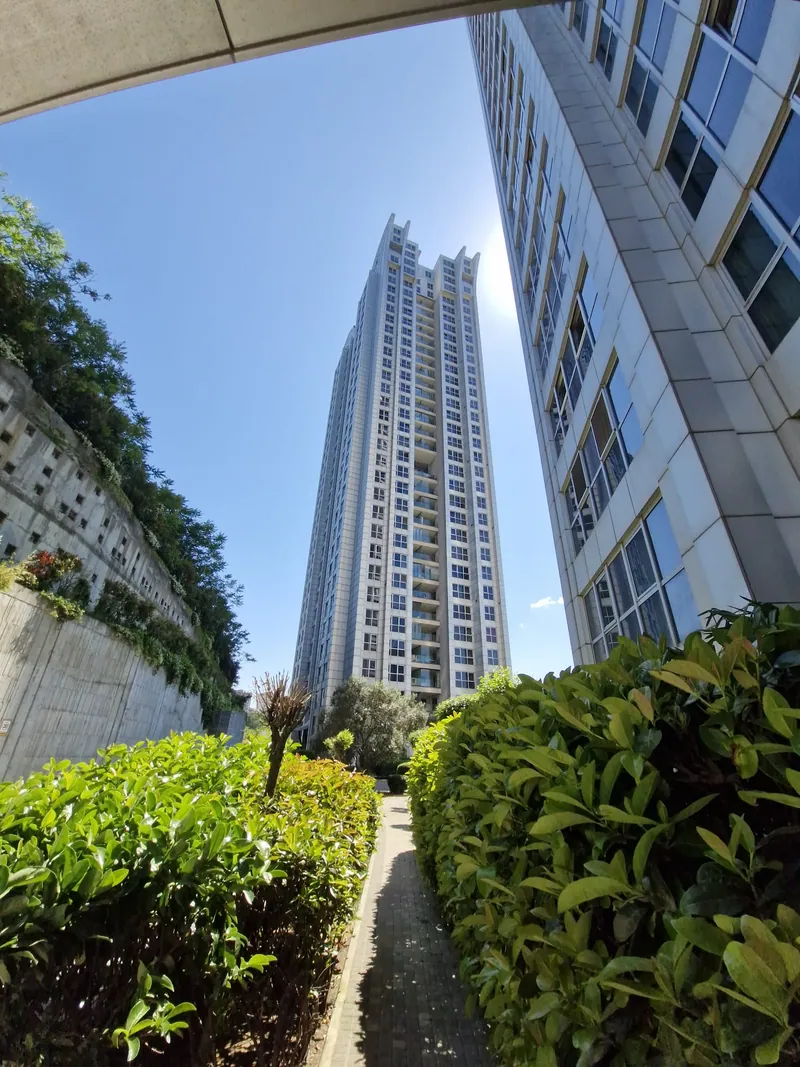



Priced 39% below similar homes in Ayazaga (based on 27 comparable listings)
Three bedroom apartment with pool in Sariyer Istanbul
- 3+1
- 2
- 117 m²
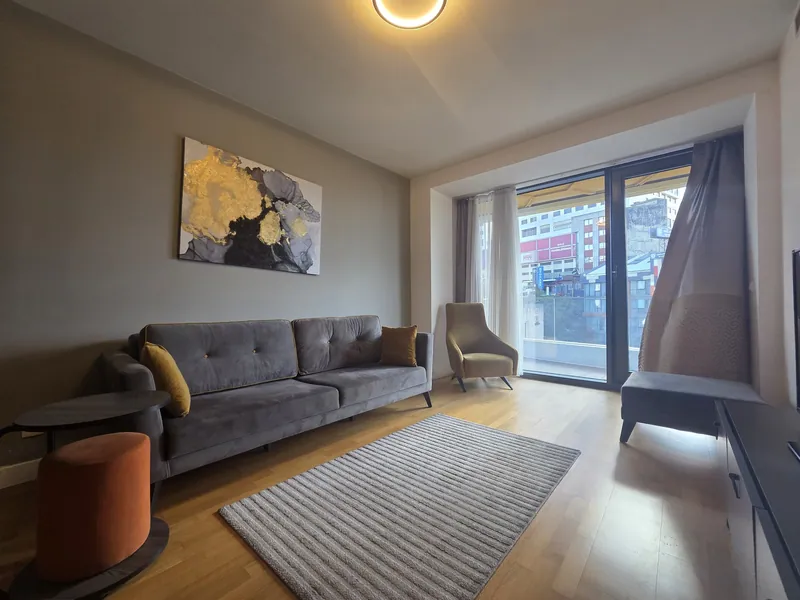
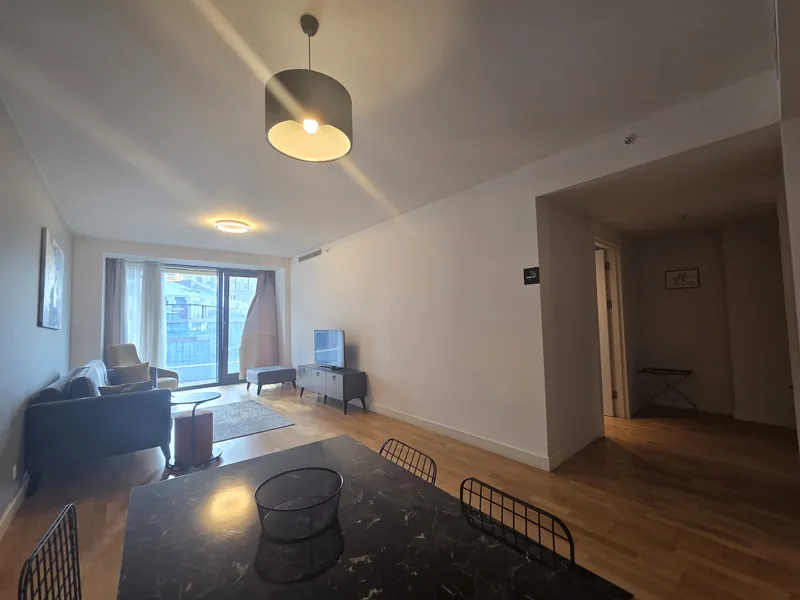
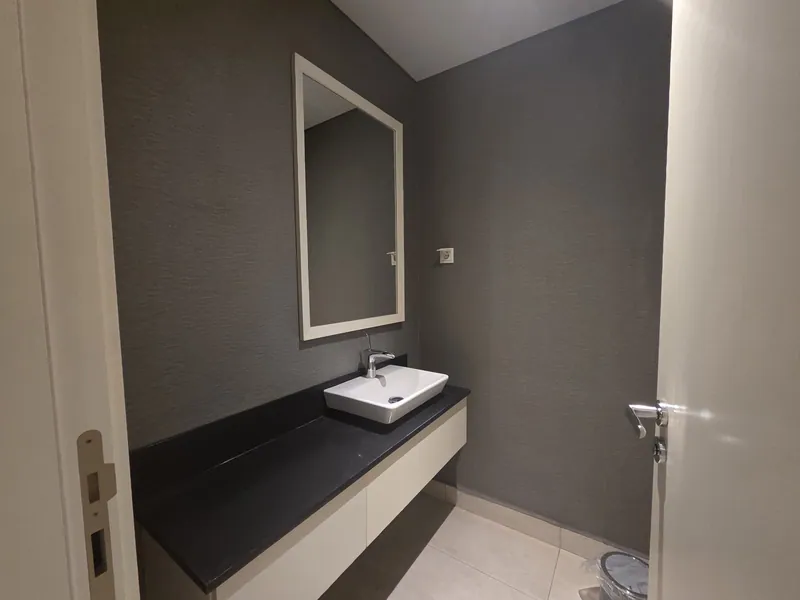
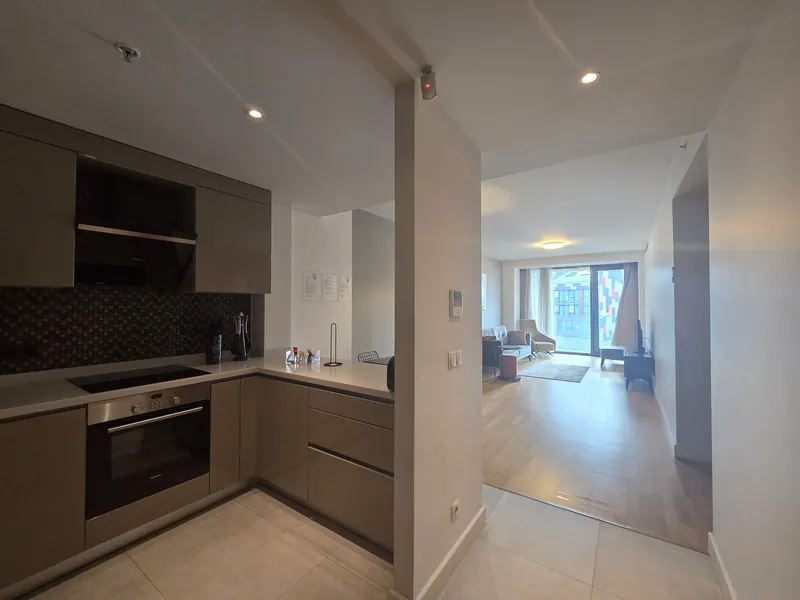

Furnished one bedroom apartment for sale in Sisli Istanbul
- 1+1
- 75 m²
- 3
Related articles
All articles
Long-Term Property Rental in Turkey: Owner Checklist
Long-term rentals in Turkey are described as leases governed by the Turkish Code of Obligations, and they do not require a tourist permit. Owners should plan for a lease, rent increases…

Selling a Property in Turkey: Price, Paperwork and Steps
Owners preparing to sell in Turkey should review the asking price, property details, ownership paperwork and possible costs before marketing. Common sale documents may include the Title…
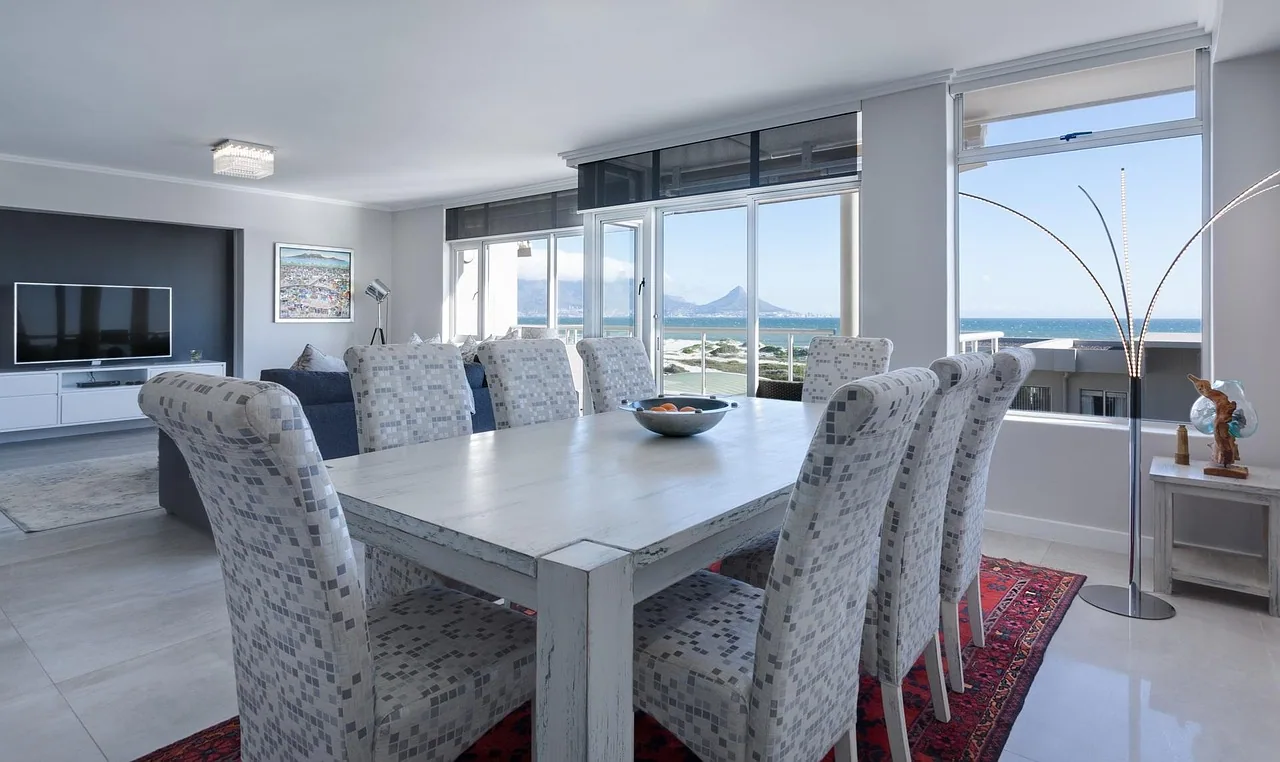
Apartment Asking Price: A Fair-Price Checklist
You cannot confirm an apartment’s fair asking price from a district average alone: compare it with similar listings, then check the individual home’s title, building quality, condition and…